BUY CRACK COCAINE ONLINE IN USA |WHERE TO BUY CRACK ROCK ONLINE :
That’s why we offer premium, lab-tested crack rock formulated for research, therapy, or wellness.
We partner with leading suppliers to ensure every product meets high standards of purity and safety.
At the same time, we simplify the process by making ordering easy, secure, and completely private.
We use encrypted payment systems and, for your peace of mind, offer discreet packaging.
Plus, we ship worldwide and include full tracking with every order.
Whether you’re starting or restarting your business, we offer helpful support every step of the way.
We respond quickly to your questions and ensure your experience is stress-free.
As a result, thousands of customers trust us as a reliable source of crack rock.
Today, more and more people choose us because we combine professionalism with discretion.
We make it easy for you to shop smart, stay safe, and get what you need.
WHAT IS CRACK?BUY CRACK COCAINE ONLINE IN USA
Crack is becoming a widely used stimulant drug, made from powdered cocaine.
It is created by mixing cocaine hydrochloride with sodium bicarbonate and water.
The mixture is then heated until it forms hard, rock-like crystals
Because of this process, users call it “crack” due to the popping sound it makes when smoking it.
Users often smoke crack, which allows the drug to quickly enter the brain.
As a result, they experience a rapid and intense high that quickly wears off.
Because the effects are short-lived, many people smoke it repeatedly over a short period.
People feel euphoric, energetic, and alert after smoking it.
However, they also quickly develop strong cravings.
Over time, many people suffer serious health problems, such as heart problems and lung damage.
Due to its high risk of addiction, authorities classify crack cocaine as an illegal drug in most countries.
In the United States, it is labeled a Schedule Il substance.
Overall, Dottzon offers the best quality of pure crack on the world market.
Crack rock) At the end of the day, the break is a surprisingly addictive drug.
And the people who do it are much more likely to use bad behavior to pay for their mistakes.
As a result, the crack may very well be instantly addictive.
HOW IS CRACK ROCK USED?BUY CRACK COCAINE ONLINE IN USA
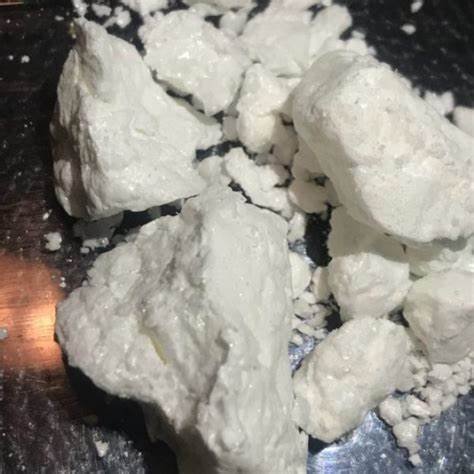
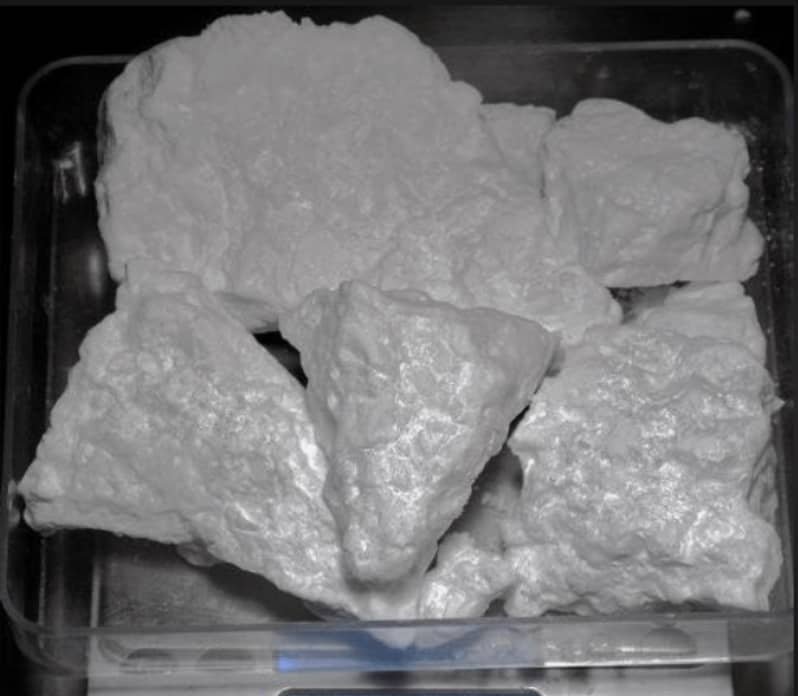
Users often smoke crack cocaine. Its appearance is that of small whitish stones or crystals.
The stones are placed in glass pipes before consumption.
Again, the crack is then heated until it vaporizes.
The vapor is then rapidly inhaled through the pipe.
Then again, the vapor enters the lungs and reaches the brain within seconds.
As a result, users experience a rapid and intense high.
However, this effect only lasts between five and ten minutes.
Because the effects are short-lived, many people use crack cocaine repeatedly over a short period.
They try to maintain the effect with each puff.
This pattern creates a cycle of repeated use and craving.
As a result, crack cocaine becomes highly addictive.
The brain reacts quickly to the effects of the drug.
Over time, people find it increasingly difficult to stop using it.
For this reason, crack cocaine poses serious health risks and leads to addiction.
Again, this means that only a single serving is enough to start the path Crack Rock.
Because the station wagon is thought of this way, crack rock is very addictive.
Again, Peter is not normal, crack is workable for a person to become addicted to the break after just one use. crack cocaine
WHAT ARE THE EFFECTS OF CRACK ROCK?
Crack produces intense and immediate effects on the brain and body.
People experience a powerful euphoria within seconds.
This high creates a sudden burst of energy and alertness.
As a result, users become hyperactive and talkative,
Appetite decreases significantly, and many feel no need to eat.
At the same time, their heart rate and blood pressure increase rapidly.
Pupils dilate, and some begin to feel anxious or paranoid.
The effect lasts only a few minutes, triggering strong cravings almost immediately afterward.
Over time, crack can cause serious long-term problems.
Many people develop severe addictions and use it repeatedly to achieve the initial euphoria.
Mental health deteriorates, with increased anxiety, paranoia, and even hallucinations.
The lungs suffer from repeated exposure to the smoke, causing coughing and breathing problems.
Also, the heart works harder, increasing the risk of stroke and heart attack.
Cognitive functions also deteriorate, affecting memory and decision-making.
At the same time, users often lose their jobs, damage their relationships, and face legal problems.
IS CRACK ROCK LEGAL?BUY CRACK COCAINE ONLINE IN USA
Crack cocaine is currently illegal in most countries, including the United States.
Authorities classify it as a controlled substance due to its highly addictive properties.
People experience adverse effects on their physical and mental health.
Possession, distribution, or production of crack cocaine results in criminal charges in many regions.
These charges are often serious, depending on the jurisdiction.
Individuals who participate in crack-related activity face severe penalties.
Nonetheless, further categorization under pause and cocaine relates to non-disclosure products.
Therefore, for the most part, the depth and length are related to how the drug is used.
Now, catching “break” turns it back into crack cocaine salt. Under these circumstances, crack acetic acid from cocaine and crack cocaine citrate. cocaine
WHAT ARE THE RISKS OF CRACK ROCK USE?
Crack produces intense and immediate effects on the brain and body.
People experience a powerful euphoria within seconds.
This high creates a sudden burst of energy and alertness.
As a result, users become hyperactive and talkative.
Appetite decreases significantly, and many feel no need to eat. At the same time, their heart rate and blood pressure increase rapidly.
Pupils dilate, and some begin to feel anxious or paranoid.
The effect lasts only a few minutes, triggering strong cravings almost immediately afterward.
Over time, crack can cause serious long-term problems.
Many people develop severe addictions and use it repeatedly to achieve the initial euphoria.
Mental health deteriorates, with increased anxiety, paranoia, and even hallucinations.
The lungs suffer from repeated exposure to the smoke, causing coughing and breathing problems.
The heart works harder, increasing the risk of stroke and heart attack.
Cognitive functions also deteriorate, affecting memory and decision-making.
At the same time, users often lose their jobs, damage their relationships, and face legal problems.
Nonetheless, the crack could be a ban on power under the Harrison Act of 1914 and the Jones-Miller Act of 1922.
As a result, both are enacted as the madness about consumption has spread, crack.
In any case, crack is still used to this day.
Even though crack use dropped dramatically after the 1922 law stopped local cocaine mining.
Because of this, the borders of the United States are very permeable.
Ultimately, until 1979, no helicopter would be used to view the US-Mexico line. And land vehicles were unnecessary because of the size of the border. crack cocaine
COCAINE FOR SALE:
The break is therefore a crack side project, an energizer.
Then, fracture addiction can also be treated with viable plans and treatments.
Indeed, a good recovery situation of the drugs can help you save lives related to this type of addiction, crack cocaine
Truly, dignified safety gear is important when monitoring powerful instruments or objects.
Particularly because splinters of crack or leftover cocaine are often carried away with the stone at high speed.
If anyone notices, contact them to resume activity at a safe distance so that there is no risk of injury, crack cocaine
However, most of the cocaine (crack cocaine) entering the United States currently begins in Colombia, Bolivia, and Peru,
Despite many long periods of political movement, social unrest, and line policing.
Overall, Colombia was the world’s largest supplier of cocaine in 2017. cocaine cracker
To some extent, Crack is normally a legacy of what some friendly scholars and writers of the day called the “lower class”.
In addition, within the city residents who have not done so.
Nevertheless, they will not come out of the desolation of sectarianism, which organizes their life and does not contain the path.
Or, decide not to adapt to your standard climate by leaving their skills, codes here, or in full.
And their ambitions were either ungrateful or hateful.
USING THE ROCK CRACK:BUY CRACK COCAINE ONLINE IN USA
Normally, this was the start of one of the many previous events where the crack was enjoyed and brought on moral pressure.
As in the crack rock “debacle of 1905, when African-American scholars were finally charged with almost all criminal offenses.
Now the media has taken the ideas and spread the madness, far away from what they needed to focus on.
Starting with the junky African-American residents who live in the downtown area.
Then the crack is almost constantly smoked. In addition, when warming up using a line.
Then the crack will be made up of vapors that will allow large doses of the drug to pass through the lungs.
All in all, this makes for an exceptionally outrageous meeting of exhilaration.
In general, this technique provides cocaine (crack rock) fundamentally faster than growing.
Finally, rock cocaine powder is generally not consumed or relaxed at low temperatures. crack rock
Meanwhile, cocaine (crack rock) is expensive to buy in the city.
Nonetheless, Crackrock is a cheaper option than cocaine, which makes it much cheaper for customers.
As a cheaper alternative, crack is significantly more accessible to people with lower socioeconomic status. crack rock
CRACK ROCK FOR SALE:
Not to proclaim that this is really the idea acceptable to everyone and I had to
WHERE DID THE TERM CRACK COME FROM?
WHAT IS CRACK ?
WHAT IS COCAINE USED FOR MEDICALLY
Cocaine is a prescription medicine used to treat the symptoms of Anesthesia of the Nasal Cavity and Mucous Membrane. Crack may be used alone or with other medications. Cocaine belongs to a class of drugs called Local Anesthetics, Esters.